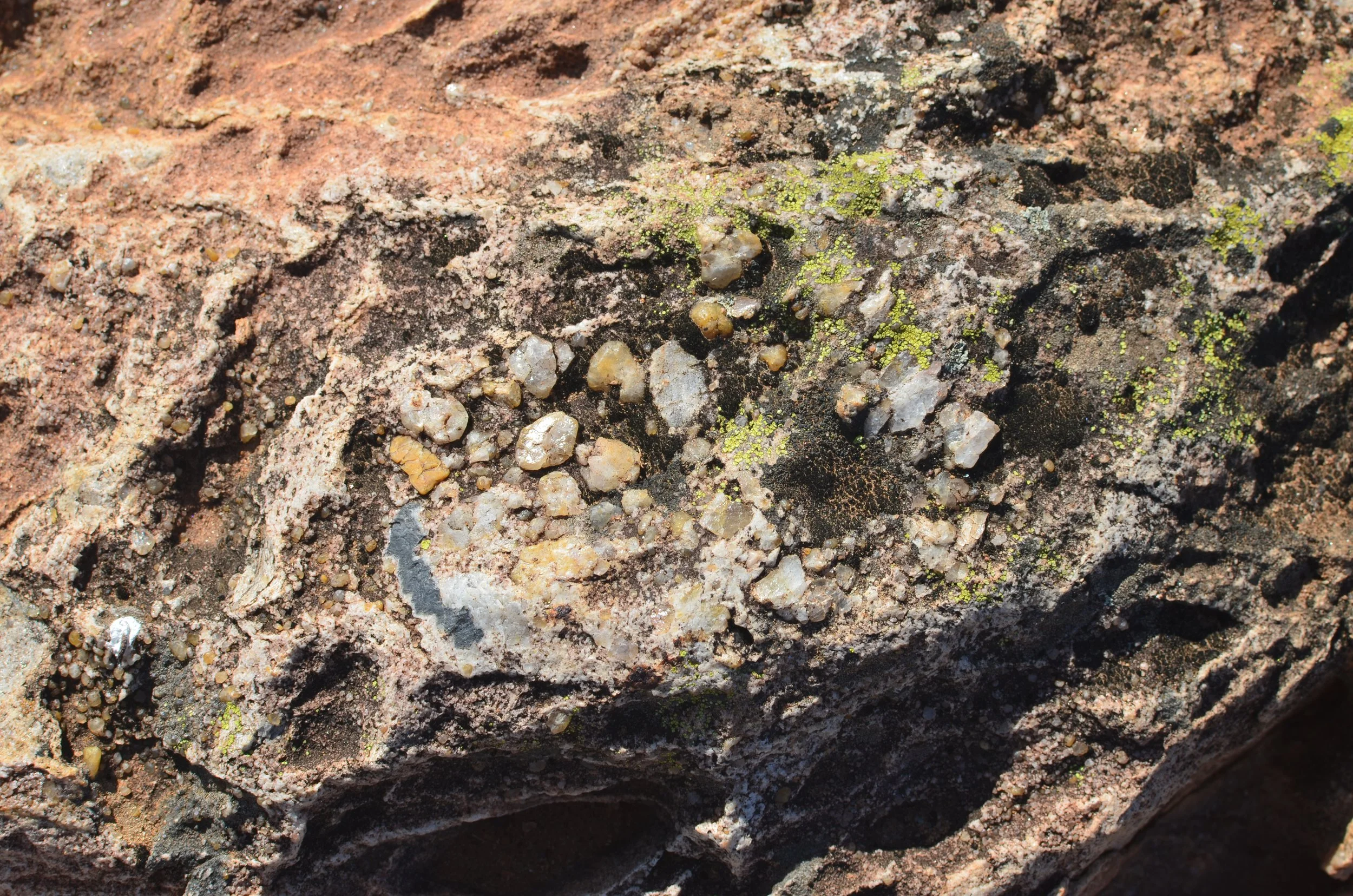
An Integrative Approach
We specialize in Somatic Archaeology© for neurobiological reorganization and memory recall for complex trauma and abuse recovery, helping others become whole in brain, body + spirit.
Trauma recovery is a journey.
An Integrative Approach
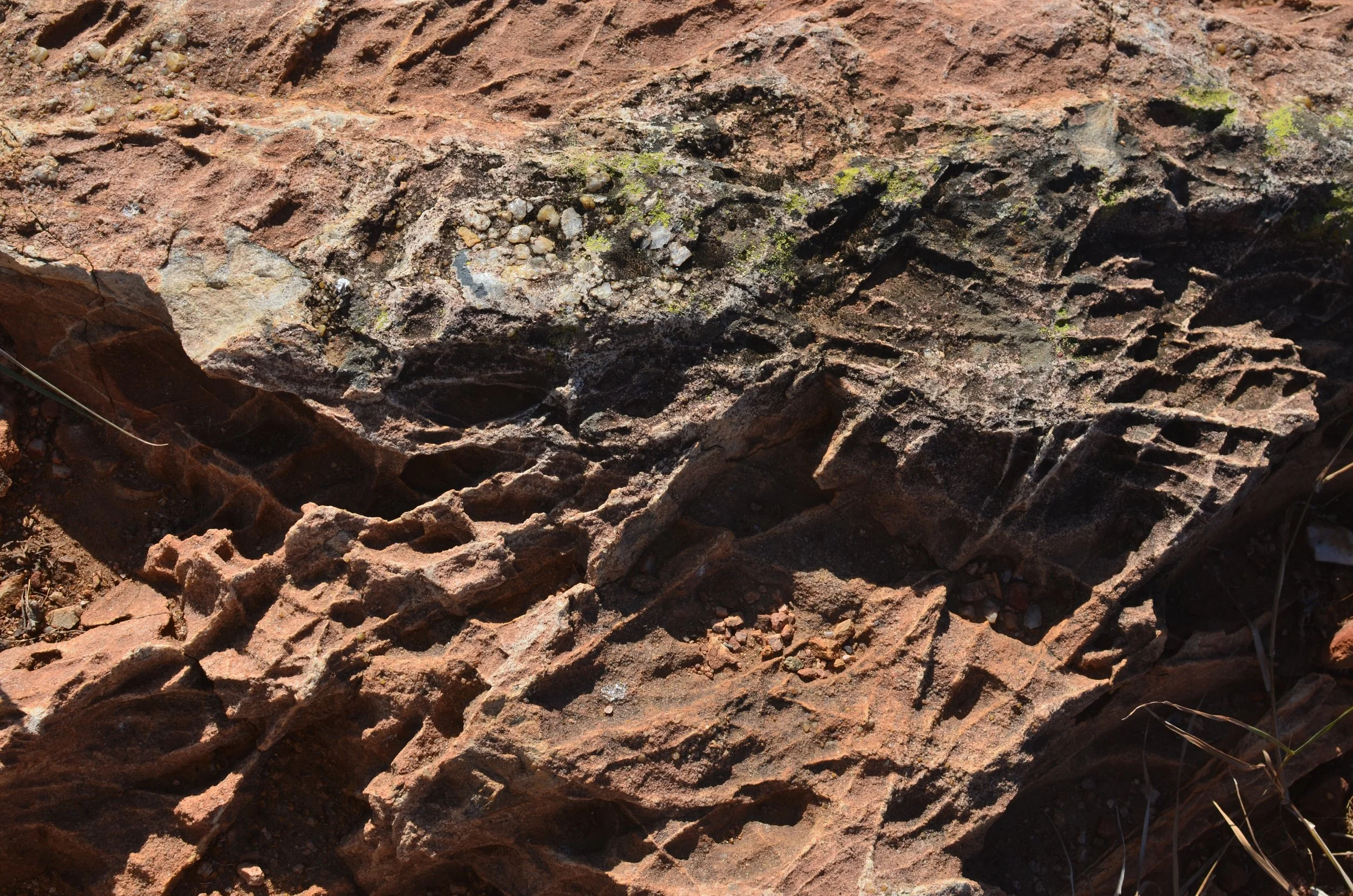
We practice from the understanding that to heal with and integrate trauma, a person must be willing to move beyond the binary that trauma is bad and be willing to find the gift within the wound. The wound never goes away, but our relationship to it changes.
Steady + Grounded Work.
We help others heal trauma beyond the nervous system, into the endocrine system, immune system, reproductive system, circulatory system, emotional body, mental body, spiritual body and soul.
We understand trauma and abuse recovery takes time and dedication. Helping clients create inner-safety and resourcing as their healing journey unfolds is one of our top priorities.
Trauma can be complex, so we keep healing simple and go slow, helping clients heal generations and more.
-
We are a passionate practitioner with over 20 years of somatic and holistic experience, a Masters degree in Social Theory, 500+ credit hours in Somatic Archaeology©, and ongoing mentorship.
Our lived experiences have been some of the greatest teachers, as we have both a survivor’s and a practitioner’s perspective for healing trauma and abuse.
-
We practice a narrative of care that is somatic, holistic, evidence-based and liberating.
We work to make sure our care is inclusive of care you might also be seeking with other providers and practitioners.
We know trauma recovery is not a one-size-fits all approach, and have a gentle, attuned and consent-based approach to meeting clients longing for regenerative care.
-
We work with clients who are committed to healing and transformation.
Most of our clients are women and mothers of all ages who are longing for a more holistic and advanced level of trauma recovery that bridges mind and body, science and spirit.
Some of our clients are other practitioners or providers who have never addressed the deeper layers of trauma, cellular memory or spiritual nature of trauma and abuse recovery.
We do not work with people who are looking to recycle their issues, only those who are willing to do the hard work of healing intergenerational wounds.
If you are unsure about our approach or have questions about working with us, please book a free consultation to address if we are a mutual fit.
Packages
-
75 minute Integrative Somatic Healing session designed to help restore biological, neurological, psychological, emotional, social and spiritual harmony.
This consent-based, bottom-up approach unites the quadrine brain with the body’s wisdom, accessing stored trauma or unresolved stories via somatic processing and integration.
Rooted in neuroscience and traditional wisdom, these sessions bring profound healing and reconciliation.
This protocol is an EMDR alternative, essential protocol for those with PTSD, C-PTSD, intergenerational and ancestral trauma or other complex challenges.
$180, includes a brief check-in
Your healing is about more than you.
-
This package is for an array of conditions, including PTSD, C-PTSD, anxiety, depression, parents of complex children, intergenerational or ancestral trauma and even things like spiritual expansion or mentoring and expansion for clinicians or other providers looking to restore neurological, biological, psychological, emotional and social harmony and healing.
Package Includes ~
✦ 90 minute Timeline intake session.
✦ 6 x 75 minute Integrative Somatic Healing Sessions
✦ Brief text check-ins between sessions.
✦ Access to WholeScripts pharmacy with 10% off for integrative supplement support.
Investment ~
$1008 due upon booking.
It takes courage and dedication to stick with these sessions.
-
This package is for an array of conditions, including PTSD, C-PTSD, anxiety, depression, parents of complex children, intergenerational or ancestral trauma and even things like spiritual expansion or mentoring and expansion for clinicians or other providers looking to restore neurological, biological, psychological, emotional and social harmony and healing.
Package Includes ~
✦ 90 minute Timeline intake session.
✦ 6 x 75 minute Integrative Somatic Healing Sessions
✦ Brief text check-ins between sessions.
✦ Access to WholeScripts pharmacy with 10% off for integrative supplement support.
Investment ~
$1800 due upon booking.
You are worthy of your own devotion.
What Clients Are Saying
“One of the things I loved about working with you was how comfortable I felt in my very vulnerable moments.”
— M. Murray“Tess has the education, skill and gentle presence necessary to guide survivors of traumatic events into a sense of safety and wholeness.”
— BridgidON FRAGMENTATION“People subjected to prolonged, repeated trauma develop an insidious progressive form of post-traumatic stress disorder that invades and erodes the personality. While the victim of a single acute trauma may feel after the event that she is 'not herself', the victim of chronic trauma may feel herself changed irrevocably, or she may lose the sense that she has any self at all.”
— Judith Herman, Psychiatrist & Author
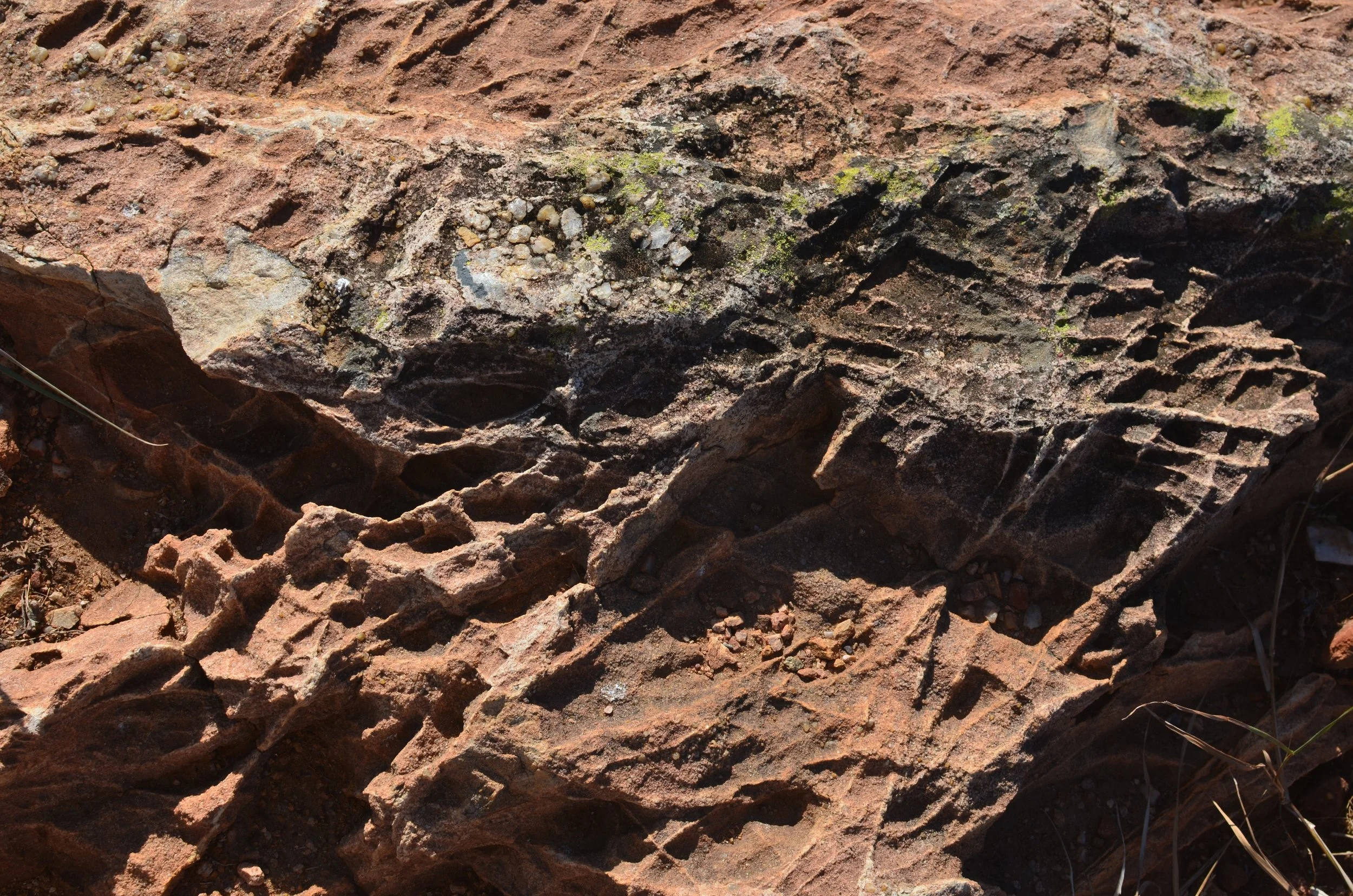
What you heal in the body, you heal in the land.
You are the medicine of your lineage.